
 By
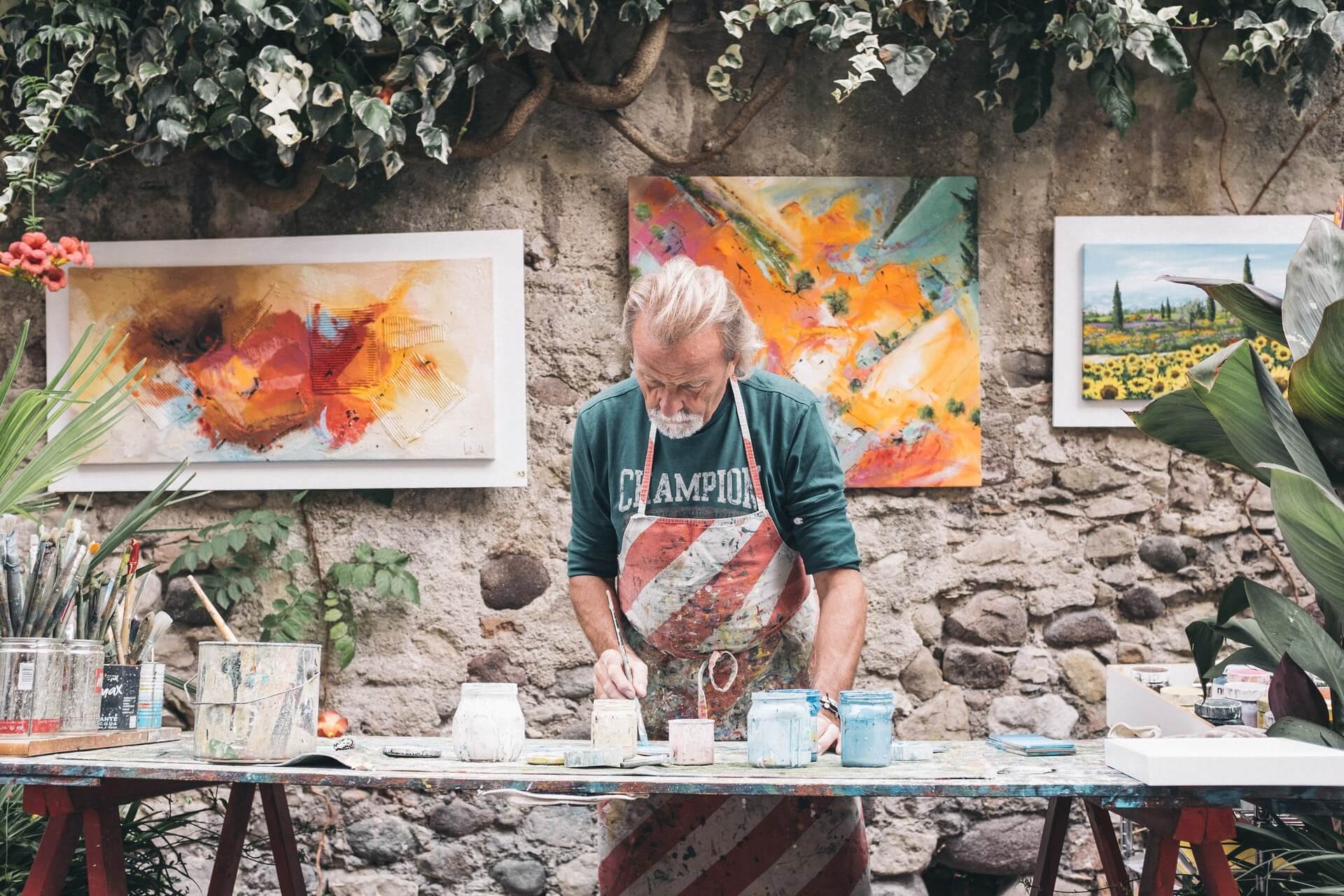
You can start an abstract painting with a color relationship instead of a recognizable subject. A large blue shape beside a small orange mark gives you something to explore before you decide what the painting means.
This Artist Pro guide offers a practical exercise in palette, shape, and layers. Try the suggestions on small pieces of paper so you can compare several approaches without committing to a large canvas.
Key Takeaways: Exploring Color in Abstract Painting
- Start with a small palette and compare different proportions of the same colors before introducing additional tubes of paint.
- Vary the size and placement of shapes so your composition has differences to explore rather than evenly repeated elements.
- Test your paint on scrap material before layering, because coverage and transparency vary with the product and application.
- Leave space between painting sessions to review your choices and decide which areas need more attention or less detail.
- Use this Artist Pro color study to compare several arrangements, then keep notes about the combinations you want to revisit.
How Do You Choose an Abstract Painting Palette?
Choose three colors and decide which will occupy the largest area. Give a second color a supporting role, and reserve the third for a smaller accent.
For example, try blue, gray, and orange. Paint three small studies that use the same colors in different proportions, then compare where your attention goes first.
How Can You Test Color Relationships?
Place two colors beside each other, then repeat the pairing with one color made lighter or darker. Note the difference rather than assuming one combination is correct.
Keep your samples nearby while painting. They can remind you of mixtures you liked and help you avoid repeatedly mixing from memory.
How Do Shapes Organize an Abstract Composition?
Shapes divide the painting into areas you can compare. Begin with a few large forms, then decide whether smaller marks add something useful.
Try moving a dominant shape away from the center. Leave one area relatively quiet, and compare that version with a busier composition.
What Happens When You Change Edges?
Compare a crisp edge with a softer transition. Try both on a practice sheet before deciding how they might fit into your painting.
Use the contrast intentionally. You might keep one shape clearly defined while allowing another to blend into its surroundings.
How Can You Experiment With Paint Layers?
Test thin and opaque applications separately to see how your particular paint covers what is underneath. Not every thin coat will behave like a transparent glaze.
Begin with a simple background. Once it has dried as required for your medium, add a larger shape and then a few smaller marks. Follow the manufacturer's guidance for compatible materials and drying.
Keep a record of the colors and techniques you used. That makes a successful effect easier to revisit.
Try a Six-Box Abstract Color Study
Divide a page into six boxes and use the same palette in each. Change one variable at a time: dominant color, shape size, edge quality, or amount of open space.
Compare the finished studies from a distance. Choose one to develop further, and write a sentence explaining what interests you about it.
FAQs About Abstract Painting and Color
Do You Need Detailed Drawing Skills to Begin?
No. You can begin this exercise with simple shapes and marks. Observation and drawing remain useful practices, but a realistic outline is not required for this color study.
How Do You Decide When to Stop?
Pause when you no longer have a clear reason for your next mark. Review the painting later before changing it, and compare any proposed addition with the quieter version.